Barbara Fialho, MD – University of Sao Paulo (USP); fernanda Melo, MD – University of Sao Paulo (USP); Claudia Nogueira, Msc – Dravet Association Brazil; Barbara Pereira, Msc – Dravet Association Brazil; Kette Valente, MD,PhD – University of Sao Paulo (USP); Gustavo Verga, MD – Student Master Degree, Psychiatry, University of Sao Paulo (USP); Silvia VIncentiis, MD,PhD – University of São Paulo; rachel Marin, MD – Student Master Degree, Psychiatry, University of Sao Paulo (USP)
Poster Number: 3.492
Rationale: The guidelines for Dravet Syndrome (DS) were developed for high-income countries. Therefore, the standard diagnostic exams and the most effective treatment may be available in higher-resource settings. We conducted a national survey to assess the current diagnostic and care practices for Dravet Syndrome in Brazil.
Methods: The Dravet Study Group conducted a pilot study with Dravet Association representatives. After approval and modifications (three rounds), a 106-question online survey was conducted to gather data from families identified through the Brazil Dravet Association. The survey included questions about socio-demographic, epilepsy-related factors, diagnosis, treatment, and burden-driven factors.
Results:
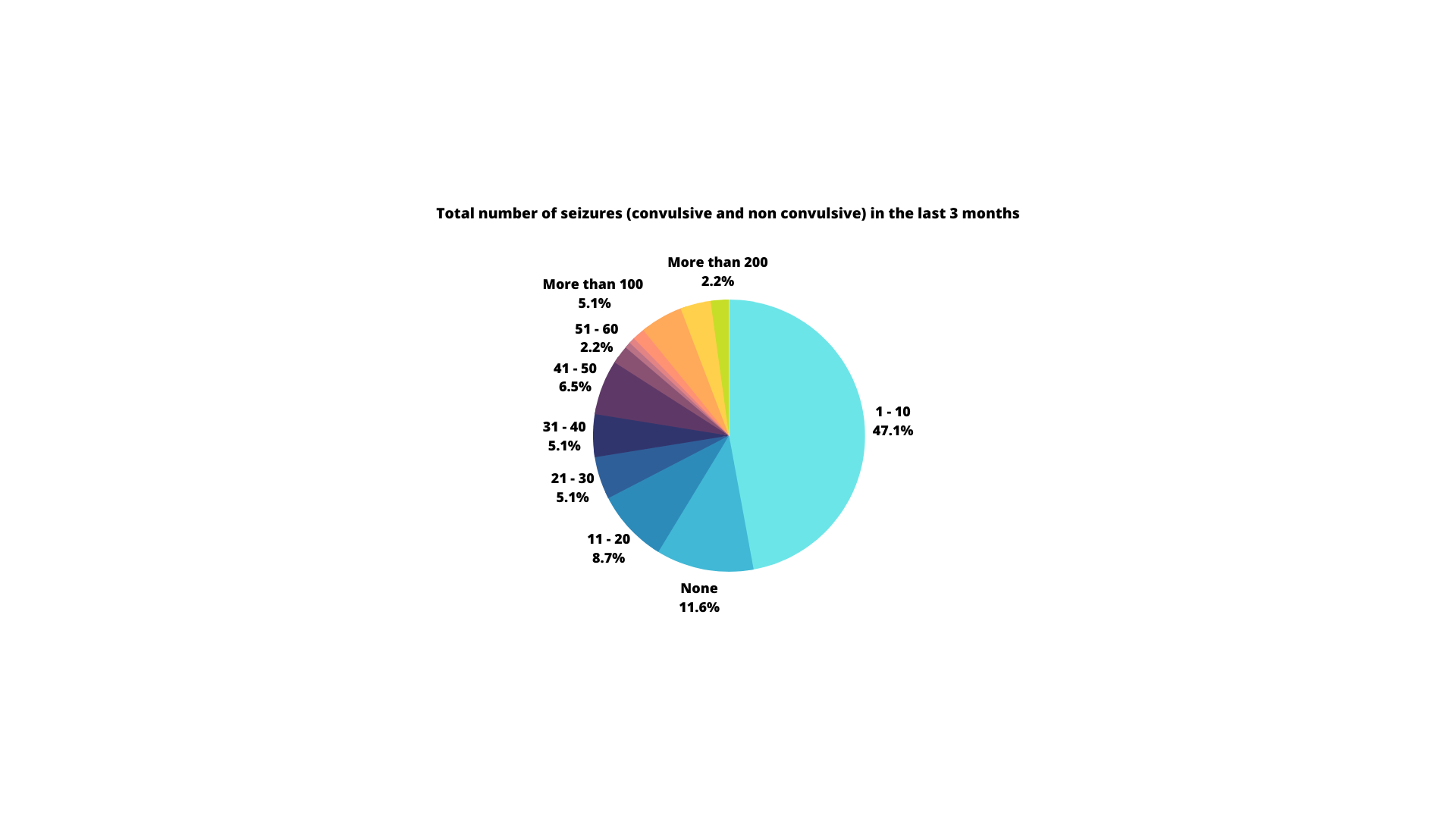
Characteristics: A total of 139 caregivers (91.4% [127] of mothers) responded to the questionnaire regarding 140 patients. In this sample, 53.6% (75) were boys; the mean age was 9.1 years. The mean age of epilepsy onset was 5.26 months. Seizure frequency in the past three months is shown in Fig. 1. Status epilepticus occurred in 100 (85.47% [100/117]), and 52.5% (73/139) were admitted to an emergency room in the past 12 months.
Diagnosis: The mean number of physicians evaluating the patients before the diagnosis was 4.88 (ranging from one to 15). Only 8.6 % had the diagnosis with the first physician. The mean age at diagnosis was 4.5 years (0.42 to 24 years). The gap between the first seizure and the diagnosis was 4.04 years (ranging from 0.25 to 24).
In this sample, 96.4% (134/139) of patients had genetic testing (47.1% (63/134). Regarding genetic testing, 63 (45.3%) had WES, 56 (40.3%) had a genetic panel, and 16 (11.5%) had both exome and genetic panel. Cariotype and GCH-array were requested for 28 (20.1%) and 17 (12.2%) patients.
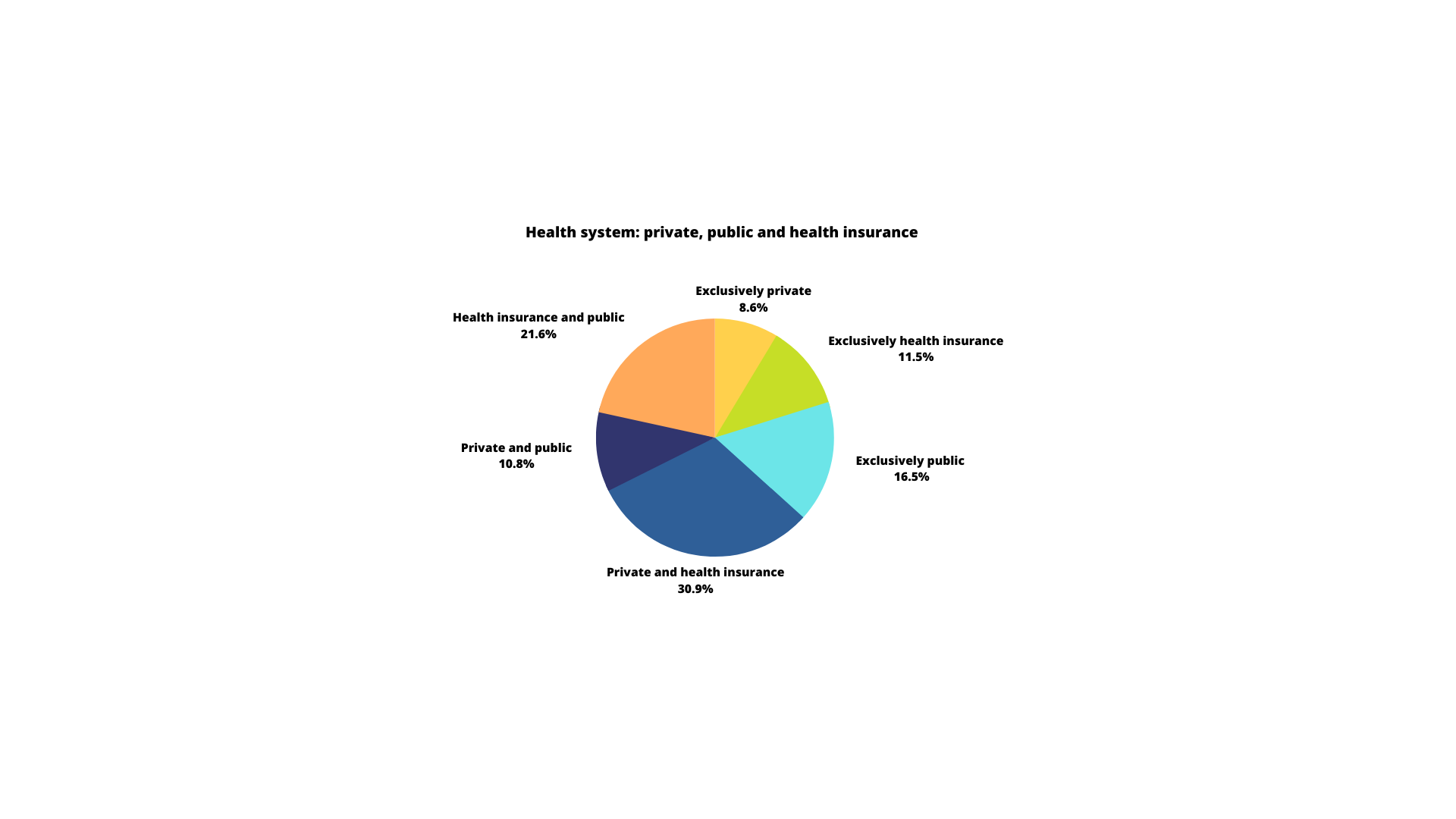
Treatment: Burden: The care relied on one parent in 44 (31.4%) families. House adaptations were made for 68 (48.5%) patients, most (92.6%) without financial support. The cost of non-available medication in public services was R$ 1.251,00. Most patients (83.5%) used the private, and 16.5% used the public sector only (Fig. 2).
Conclusions: Patients with Dravet syndrome share the same clinical features documented by others. However, the delay in diagnosis is high with the request for unnecessary exams and empirical treatment with ASM, leading to worsening seizures. The lack of adequate genetic exams and standard treatment are financial burden drivers. Treatment modifications after diagnosis reflect the need for an earlier diagnosis that demands educational programs for clinicians in charge of these patients.
Funding: None